
Robinsons Retail’s net sales reached an all-time high of
Php210.4 billion in 2025, growing by 5.7%. This performance was
driven by the sustained strength of its food and drugstore
businesses – collectively accounting for 79% of total revenues.
Blended same store sales growth for 2025 improved vs. 2024 on
all four quarters of the year, supported by the recovery in
consumer spending brought by easing inflation, a healthy labor
market, and continued remittance inflows. The Company’s fourth
quarter and full-year results already include the one-month
contribution of motorcycle retailer Premiumbikes Corporation,
following its consolidation into the Company’s financials
starting December 1, 2025.
Growth in gross profit and EBIT outpaced revenue growth in 2025.
Gross profit climbed 7.6% to Php51.8 billion, supported by
improvements in product mix and sustained vendor support.
Meanwhile, EBIT rose 7.3% to Php10.4 billion due to prudent cost
management. Net income attributable to the Parent company
declined 44.5% to Php5.7 billion due to the absence of the
one-time gain recorded in 2024 relating to the Bank of the
Philippine Islands (BPI) and Robinsons Bank merger. Core net
income – which excludes foreign exchange gains/losses, interest
income from bonds, equitized losses from associates, interest
expenses related to the BPI shares acquisition financing and DFI
share buyback financing, BPI cash dividends, the one-time gain
from the BPI–Robinsons Bank merger, and other non-operating or
one off items—grew by 6.3%, outpacing revenue growth, to Php6.8
billion.
Robinsons Retail added 310 stores in 2025, including the 216
Premiumbikes stores that were acquired on December 1, 2025. The
Company operates 799 food segment stores, 1,173 drugstores, 51
department stores, 234 DIY stores, and 506 specialty stores,
consisting of 114 appliances and electronics stores, 216
motorcycle retail stores, 43 toy stores, 107 mass merchandise
stores, 12 beauty stores, 11 pet retail stores, and 3 lifestyle
sneakers stores. In addition, the company has a network of 2,154
franchised stores of TGP, its generics pharmacy business.
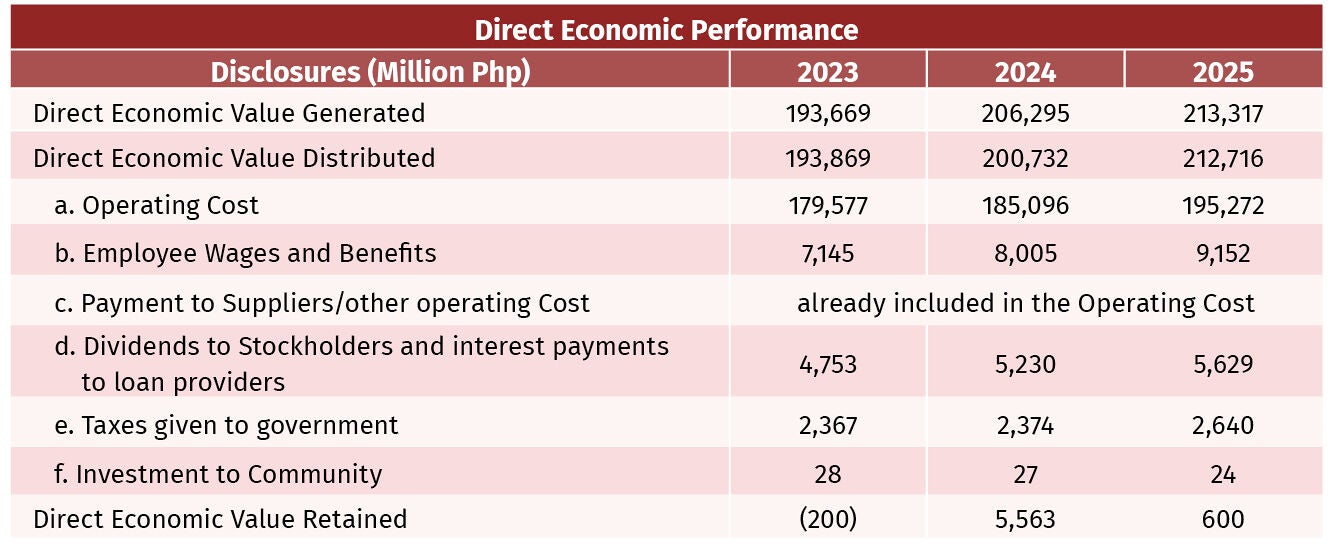
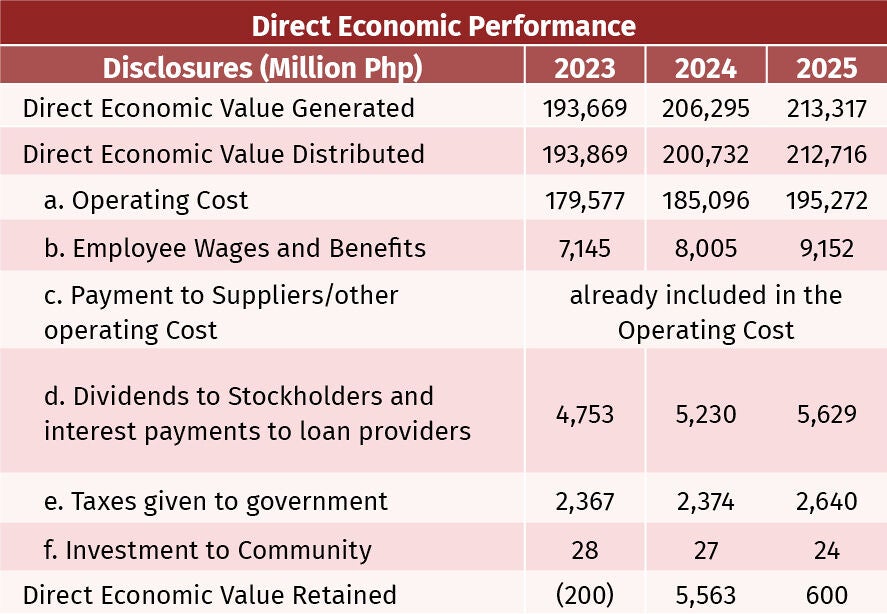
 Economic Performance
The Company recognizes that a diverse and inclusive workforce
supports effective decision-making, operational performance,
and service delivery across our retail formats. Our approach
focuses on fair access to employment, representation across
organizational levels, and practical measures that enable
employees to participate and perform effectively.
Our recruitment and onboarding processes are designed to be
objective and inclusive, with non-gendered role criteria and
standardized assessment practices. These measures aim to
attract and retain talent based on skills, experience, and
potential, while supporting equal opportunity across our
workforce.
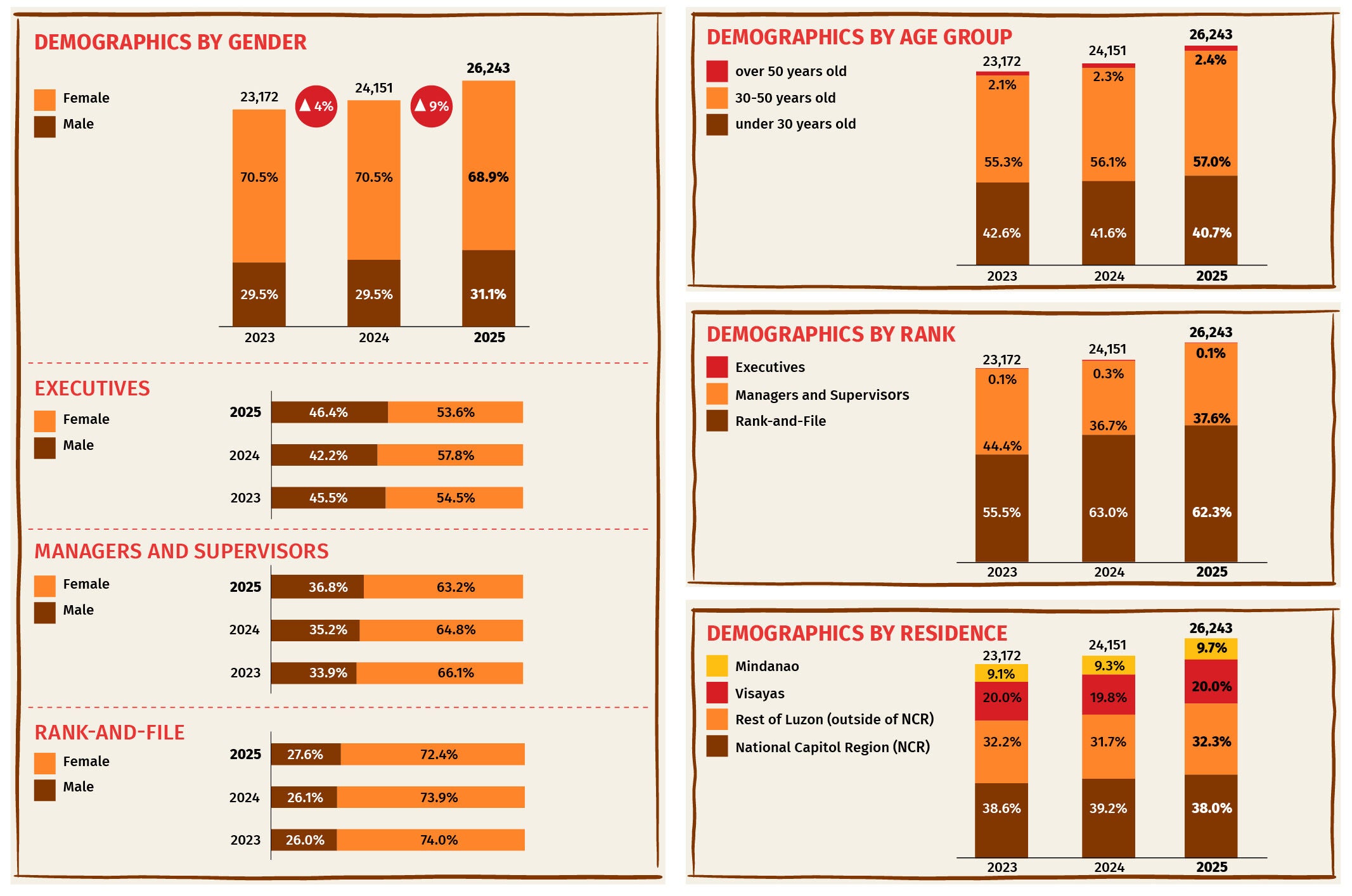
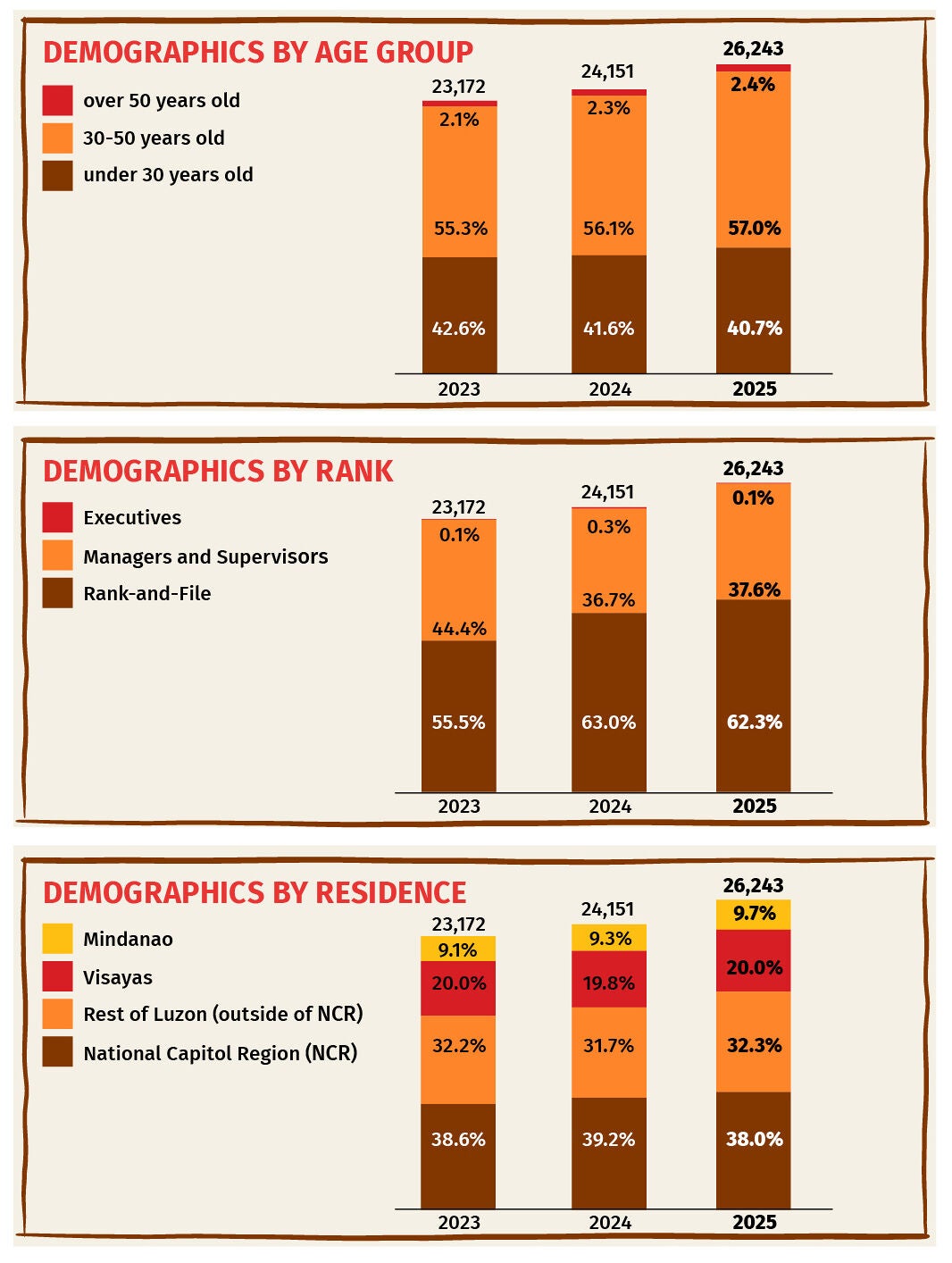
Women continue to be well represented across Robinsons
Retail’s organization. As of 2025, women account for 68.9% of
the total workforce. Representation at leadership levels
remains strong, with women holding 53.6% of executive
positions and 63.2% of managerial and supervisory roles. At
the rank-and-file level, women comprise 72.4% of employees.
The Company also continues to expand employment opportunities
for Persons with Disabilities (PWDs), with a particular focus
on neurodivergent individuals. In Southstar Drug, the number
of neurodivergent employees increased from 21 in 2024 to 37 in
2025. This initiative supports our goal of building a
workforce that reflects the communities we serve, with plans
to explore broader application across other business units.
The Company maintains workplace safety and health systems
aligned with applicable regulations of the Department of
Labor and Employment, with the objective of preventing
injuries and supporting consistent operational performance.
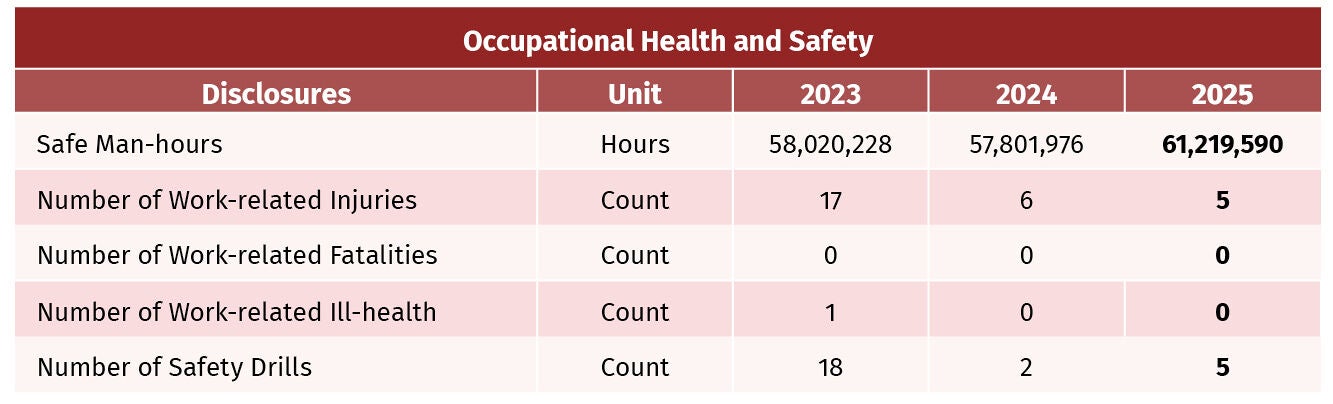
In 2025, Robinsons Retail logged a total of 61.2 million
safe man‑hours, compared with 57.8 million in the prior
year. Reported work‑related injuries declined to 5 cases,
down from 6 cases in 2024, reflecting continued
implementation of safety controls and monitoring measures
across our operations.
To support preparedness and awareness, safety drills are
conducted regularly at the head office and across retail
banners. These exercises are complemented by ongoing
employee training focused on hazard identification,
emergency response, and compliance with occupational health
and safety requirements.
The Company supports employee development through structured
learning and capability‑building initiatives designed to
strengthen operational performance and leadership readiness.
These initiatives are delivered primarily through the
Robinsons Retail Academy (RRA), which serves as the central
platform for employee learning across the organization.
RRA provides programs aligned with different stages of the
employee lifecycle. New hires participate in a structured
onboarding program to support role readiness and
integration. Ongoing learning is delivered through the
Digital Learning Program, which offers regular courses
focused on personal effectiveness, people management, and
operational disciplines.
For regular employees, the Retail Excellence Curriculum
develops retail‑specific skills in leadership, store
operations, and management. The General Management
Development Program (GMDP) and Leadership Management
Development Program (LMDP) target identified talents and
prepare participants for broader leadership
responsibilities. The Company also implements thematic
programs that address priority areas such as supply chain
management and customer experience, depending on business
needs.
Through these programs, the Company aims to build relevant
skills, support internal mobility, and ensure continuity of
capabilities across its retail operations.
Given the energy requirements of store and office operations,
Robinsons Retail continues to assess opportunities to improve
energy performance, reduce emissions intensity, and strengthen
climate resilience as the business expands.
In recent years, the Company has begun transitioning to
lower‑global‑warming‑potential refrigerants in refrigeration
and air‑conditioning systems, particularly within the food
retail segment. We have also piloted energy‑efficient
technologies and initiated more detailed assessments of energy
consumption and emissions across key facilities. These efforts
inform potential options for renewable energy sourcing, with
initial focus on sites with higher energy demand.
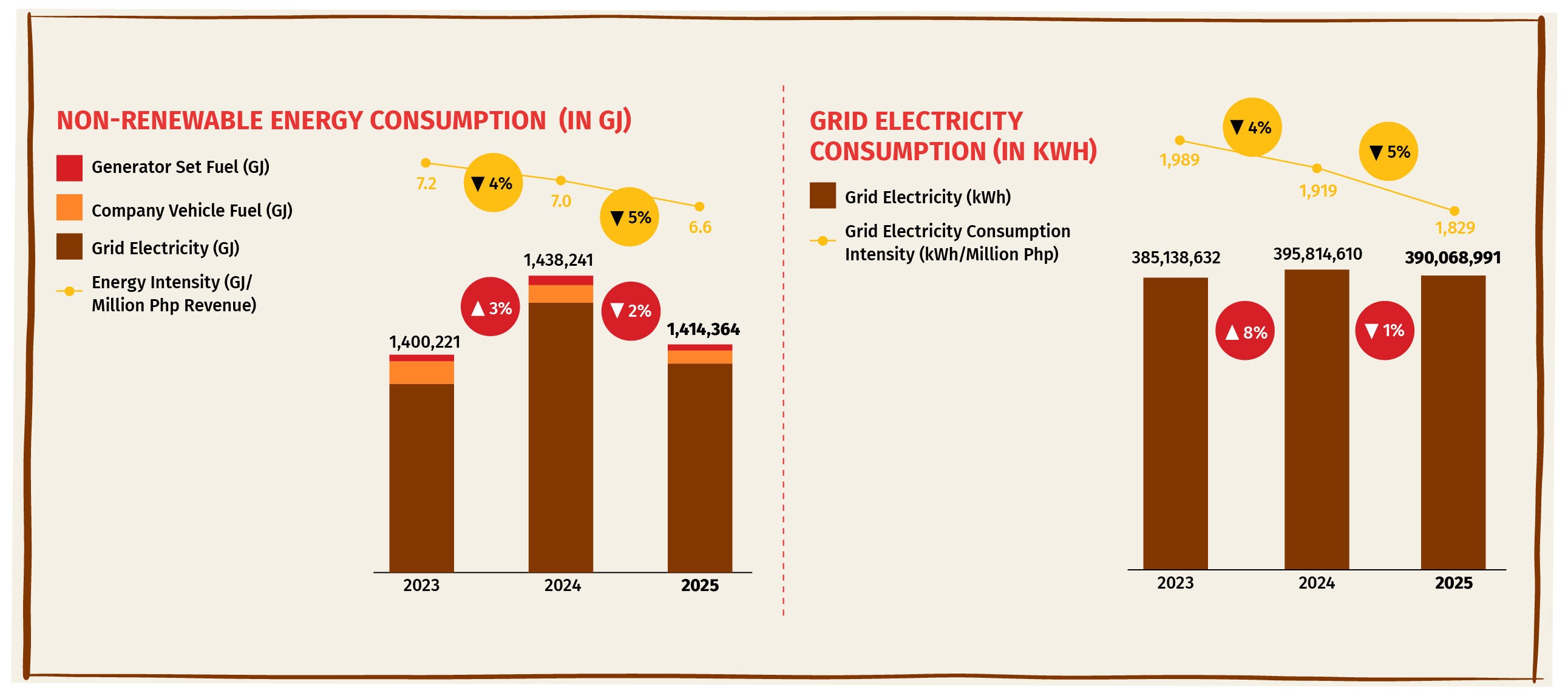
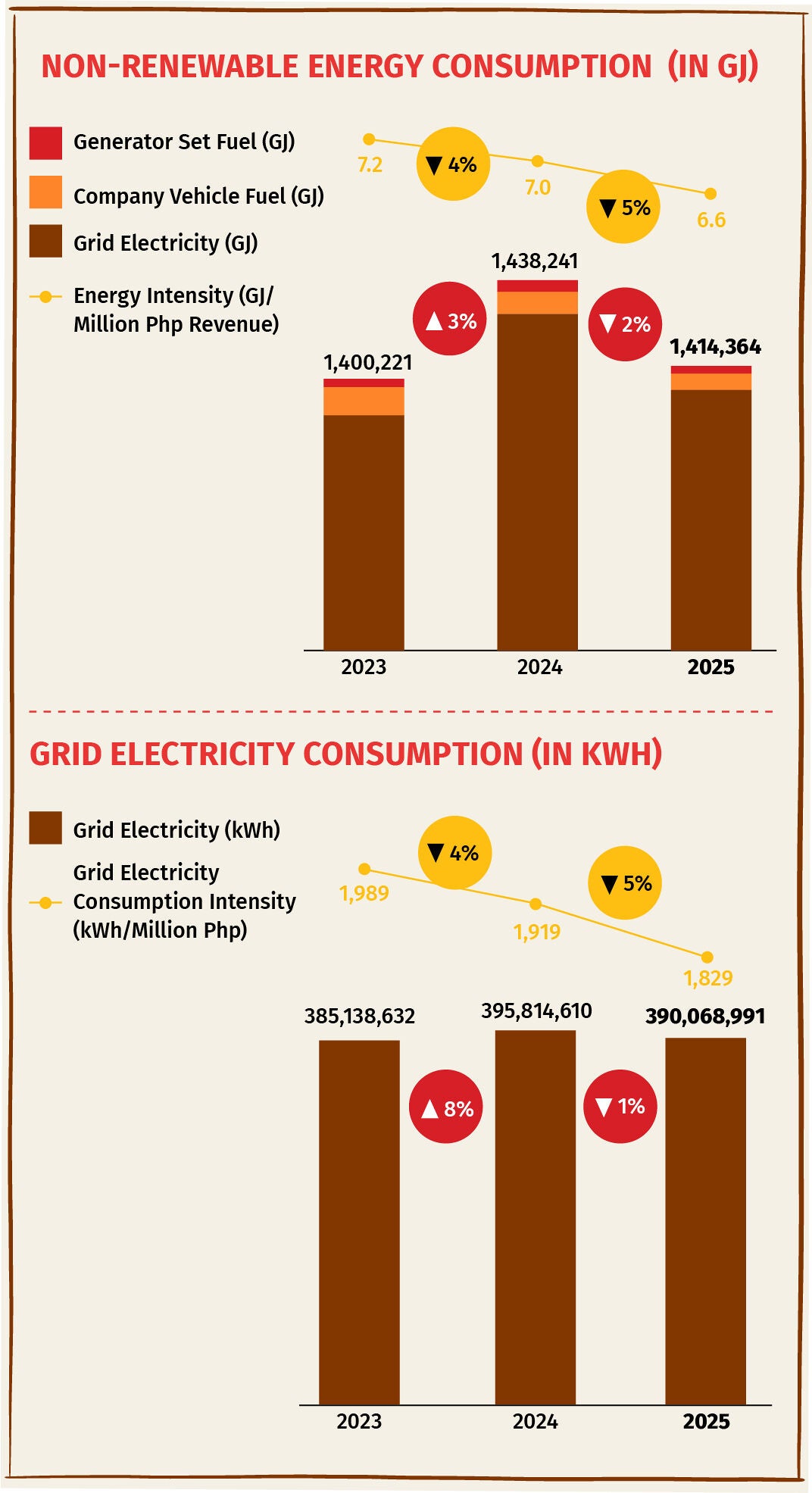
In 2025, total energy consumption amounted to 395.4 million
kilowatt‑hours (kWh). Grid electricity, generator use, and
company vehicles accounted for 99.4% of total energy
consumption. Renewable energy use continued to increase,
reaching 2.5 million kWh, driven by solar installations at the
head office and existing renewable generation in two Shopwise
stores and 1 Robinsons Supermarket store.
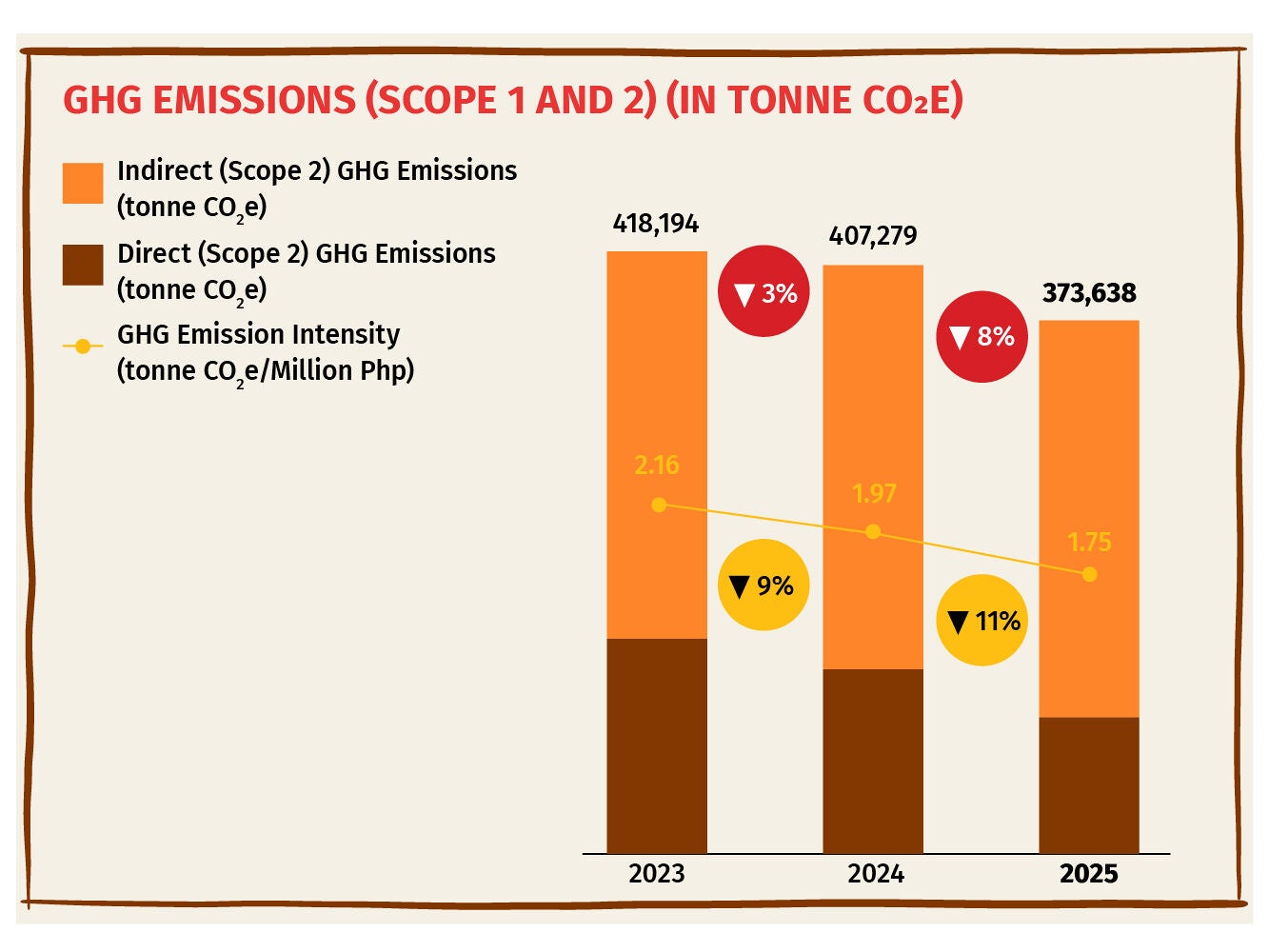
Total greenhouse gas emissions for the year were 373,638
tonnes of CO₂, with 74% attributed to electricity consumption
(Scope 2) and 26% to direct fuel use and refrigerant leakage
(Scope 1). Total emissions declined by 33,641 tonnes of CO₂
compared with 2024. This reduction was primarily driven by the
continued phase‑down of high‑global‑warming‑potential
refrigerants.
The Company is currently conducting a group‑wide energy and
emissions study to support the development of medium‑term
climate targets that balance operational practicality with
emissions‑reduction objectives. These assessments are expected
to inform future efficiency initiatives and energy sourcing
strategies. In parallel, the Company is working to strengthen
its approach to climate resilience. As Robinsons Retail
prepares for alignment with IFRS S2, additional
climate‑related risk, resilience, and emissions disclosures
will be included in future reporting cycles, expanding on
previously reported information.
The Company monitors water use across its stores, offices, and
warehouses as part of routine resource management. Water is
sourced primarily from local third‑party providers for
lavatory use, cleaning, and general maintenance activities.
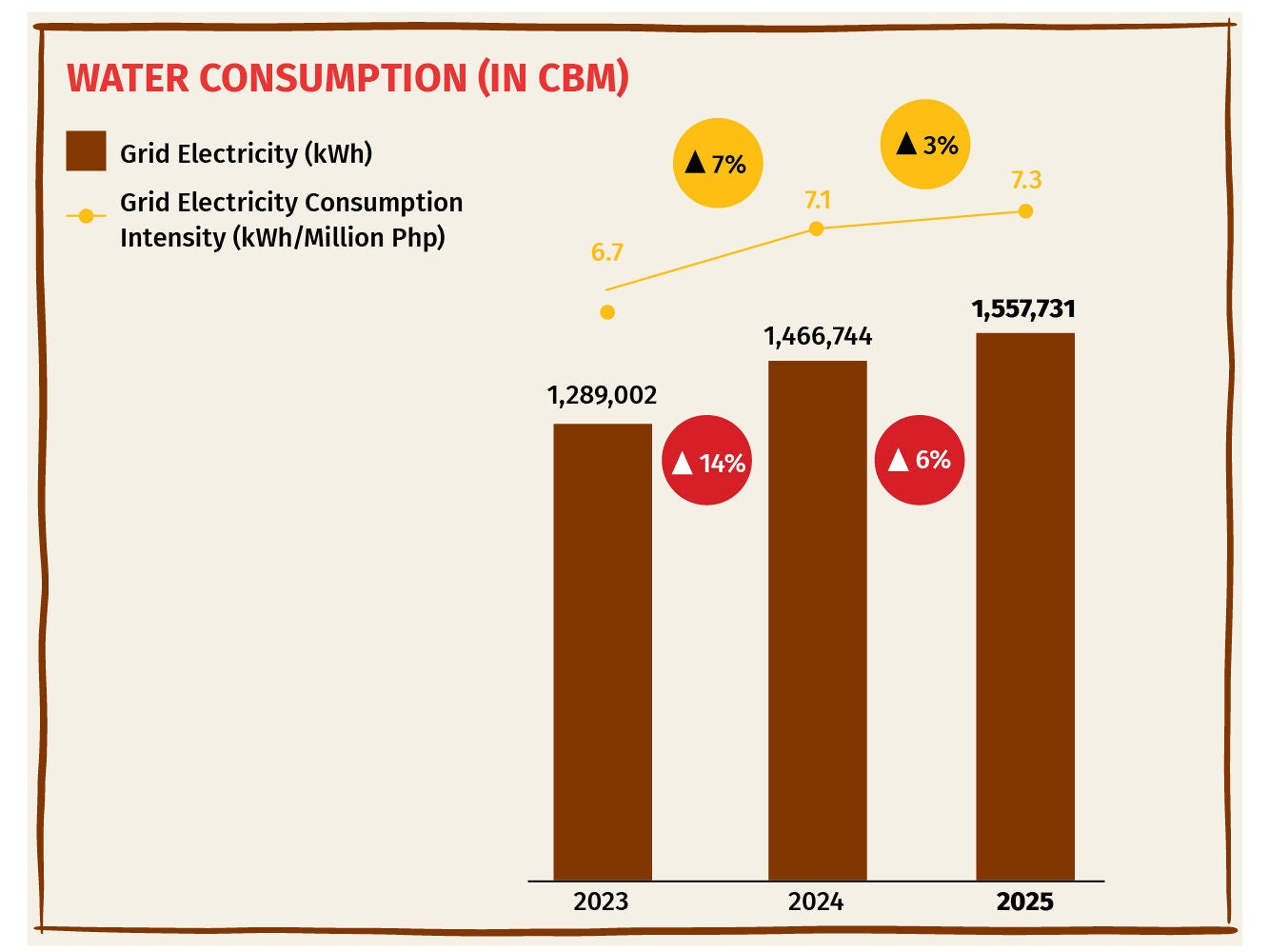
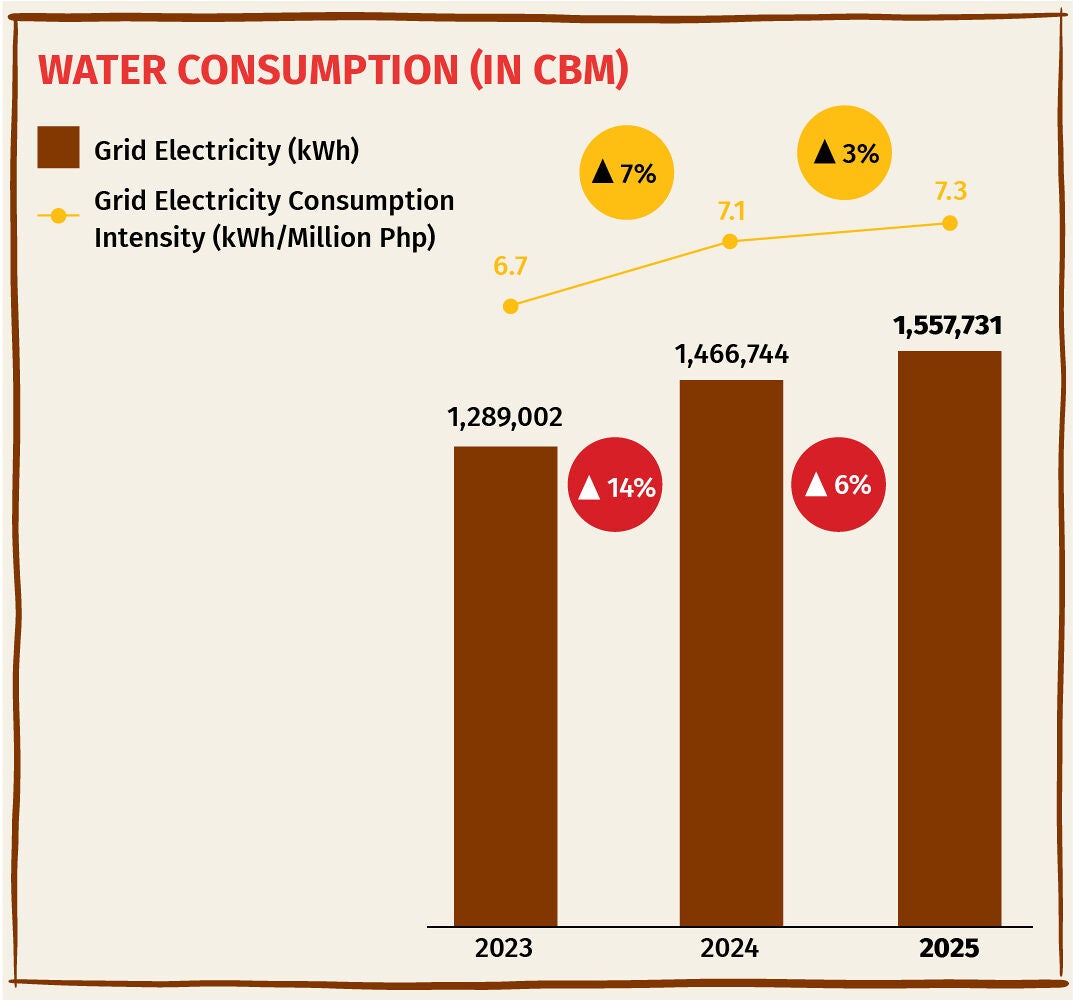
As the store and warehouse network expanded, total water
consumption increased by 6% to 1,557,731 cubic meters in 2025.
Water use intensity also rose by 3%, reaching 7.3 cubic meters
per million pesos of revenue, reflecting higher overall
operational activity during the year.
Basic monitoring of plumbing systems is maintained across
selected locations to help identify potential leaks or
inefficiencies. These measures support the ongoing assessment
of practical opportunities to manage water consumption more
efficiently as operations continue to scale.
The Company monitors waste generation and management practices
across its stores and facilities as part of routine
operations. Standard waste segregation practices are
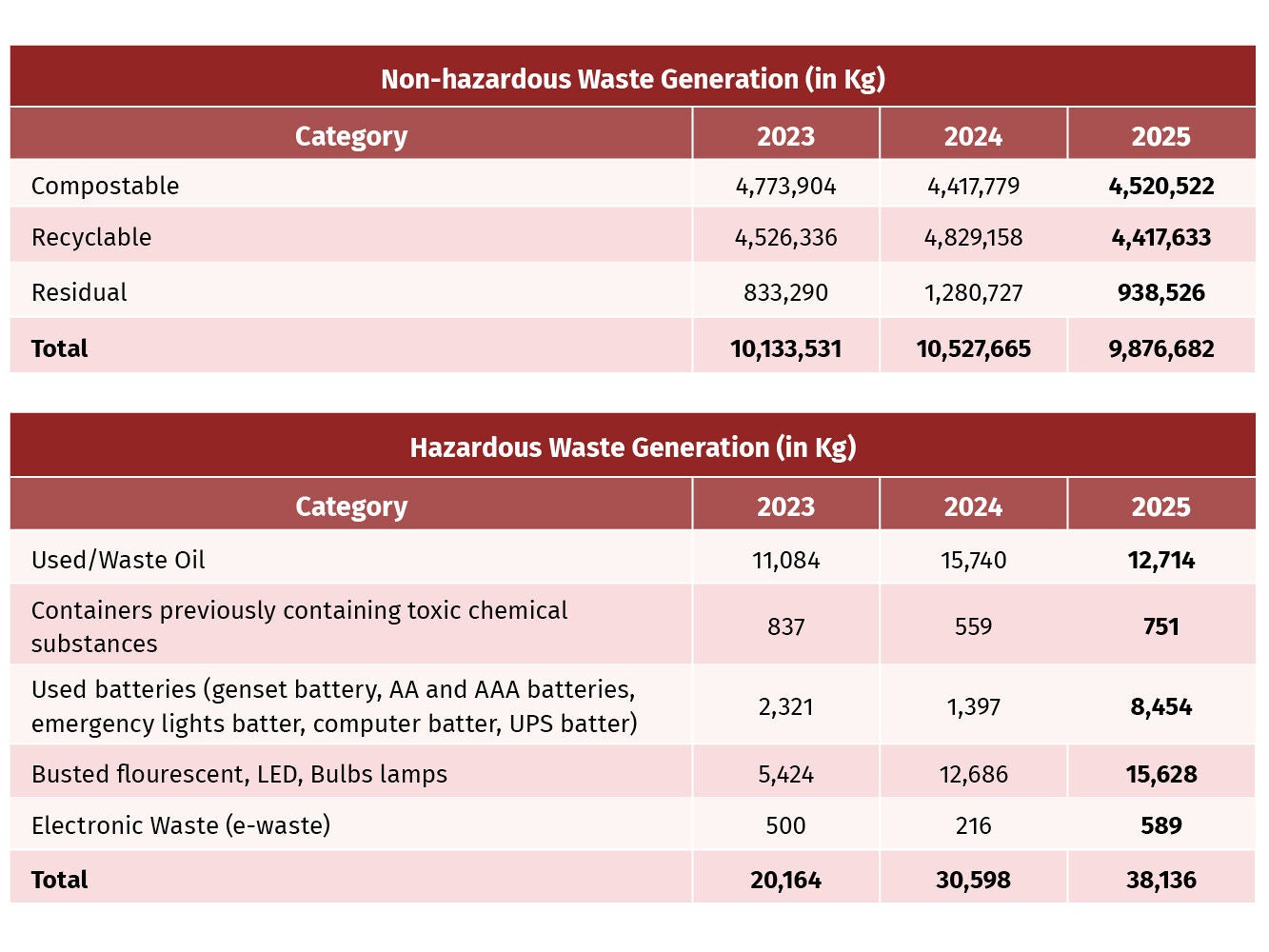
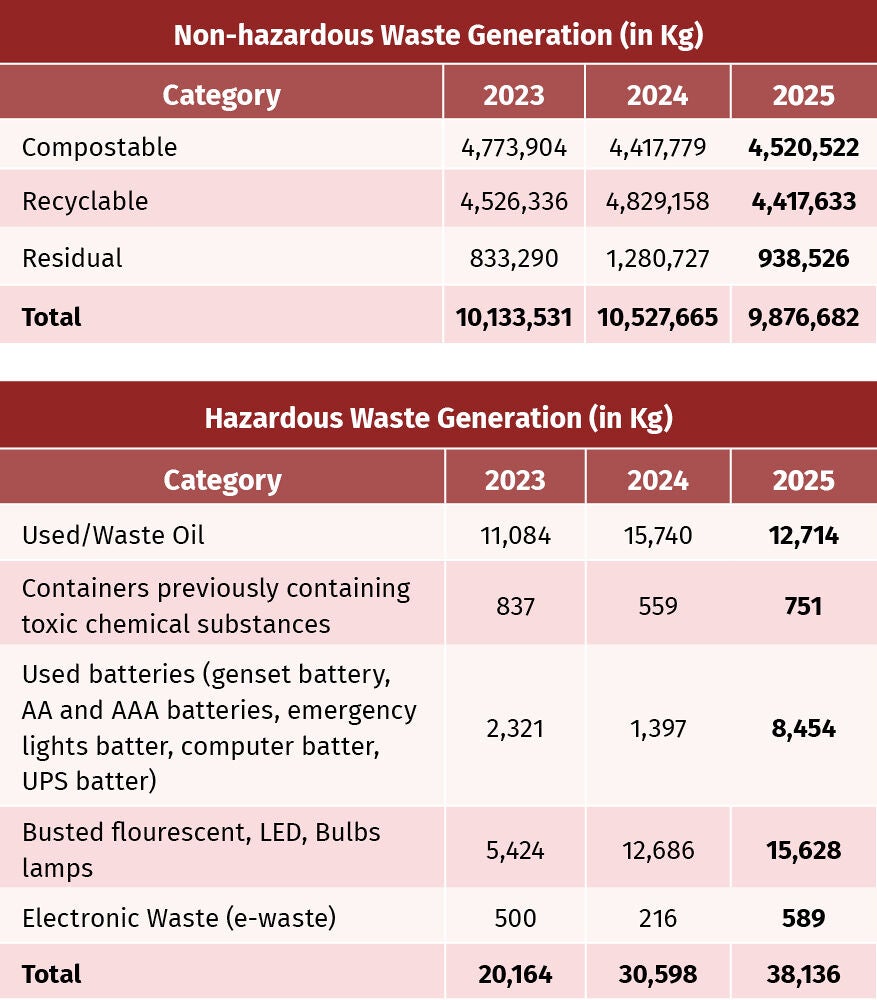
implemented, with the majority of waste classified as
non‑hazardous. Compostable, recyclable, and residual waste
accounted for 99.6% of total waste generated in 2025, while
hazardous waste represented 0.4%.
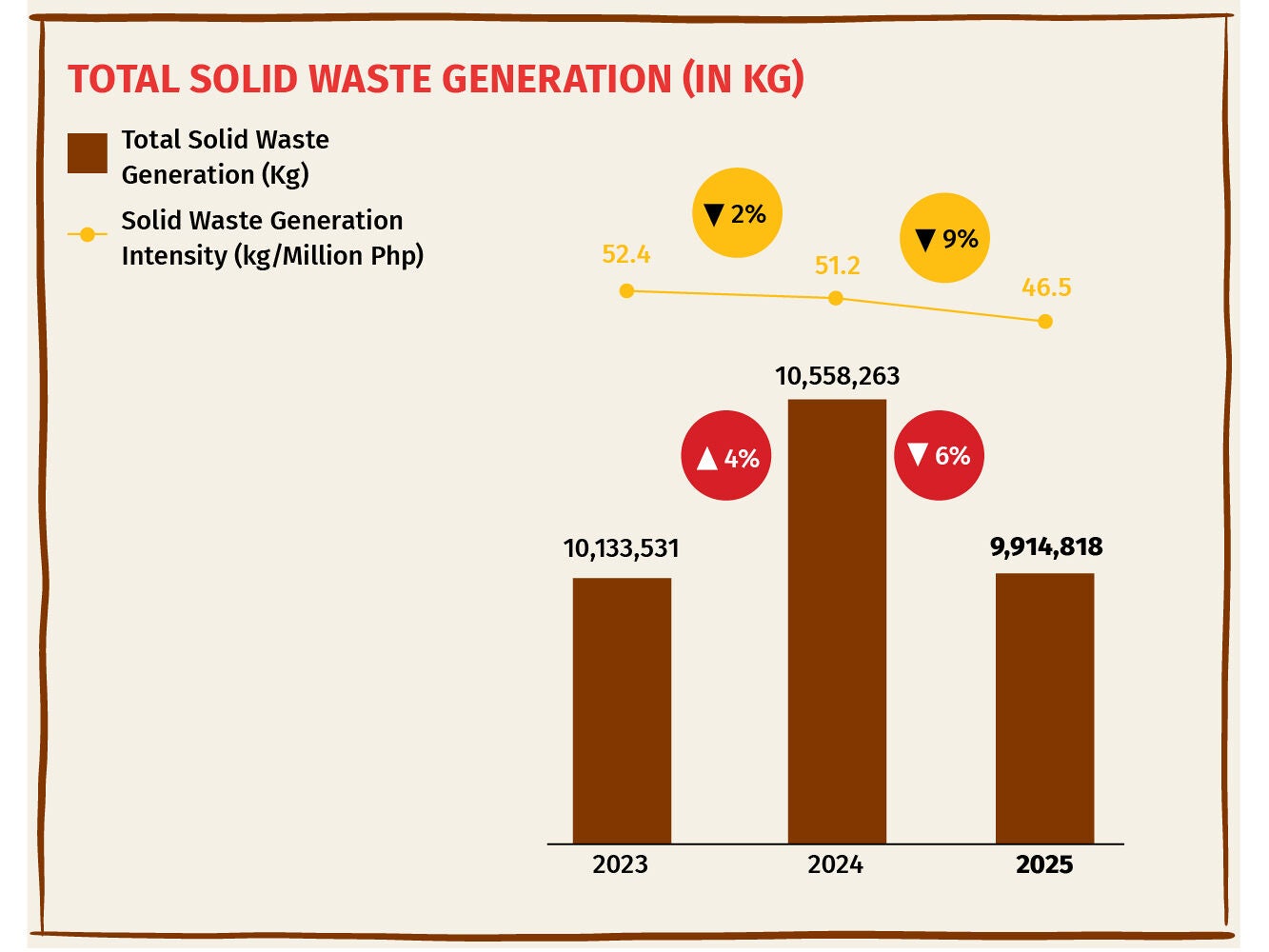
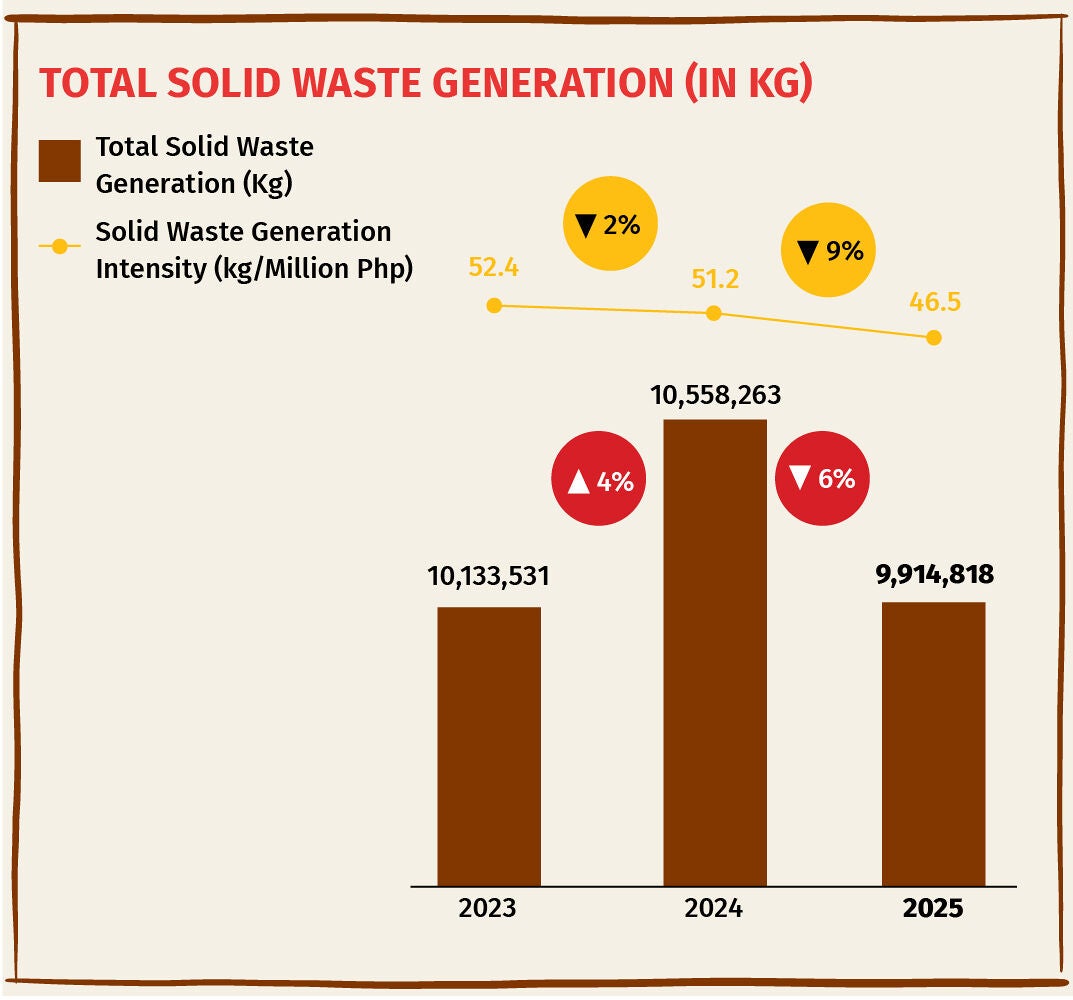
Total solid waste generation decreased by 6% in 2025 and waste
generation intensity declined by 9%, from 51.2 to 46.5
kilograms per million pesos of revenue, indicating improved
waste efficiency relative to business growth.
The Company continues to improve waste data collection and
analysis to better track trends and identify areas for
improved handling and potential waste diversion.
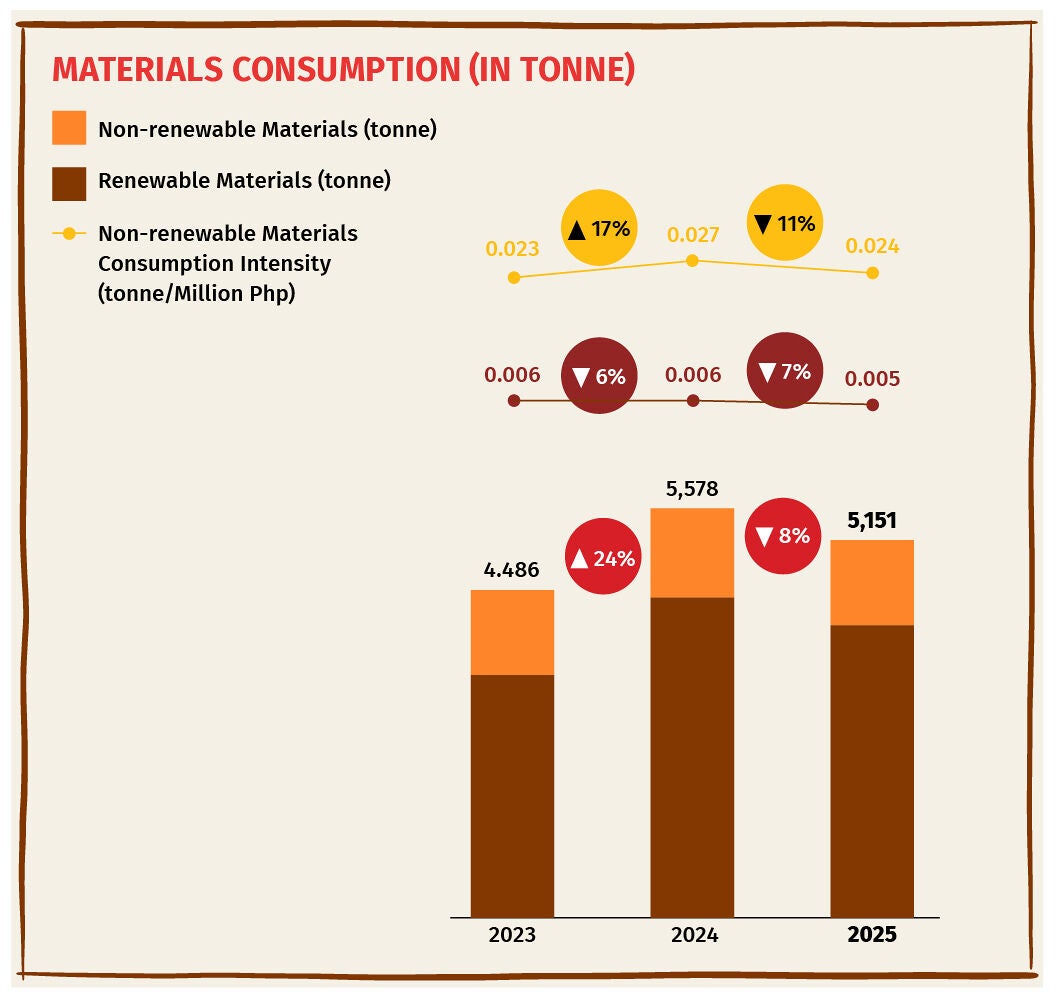
The Company monitors materials consumption across its
operations, with a focus on consumer packaging. Despite the
expansion of store operations, plastic bag usage declined by
4%, reflecting the continued shift toward paper‑based
packaging. At the same time, paper bag consumption decreased
by 9%, primarily due to improved sourcing of more durable
paper bags, which reduced the need for double‑bagging caused
by wear and tear.
Efforts to improve data capture and consistency for materials
use are ongoing. These include better tracking of alternative
packaging options and the use of recycled or upcycled
materials, where applicable. Improved data quality is intended
to support more informed assessment of material efficiency and
resource use over time.
Robinsons Retail continues to implement requirements under the
Extended Producer Responsibility (EPR) Act across applicable
business units. Packaging strategies are being reviewed and
adjusted to support gradual reductions in environmental
impact, subject to data availability and operational
feasibility. Further updates on materials consumption and
plastic footprint management will be disclosed as systems and
reporting processes become more standardized.